
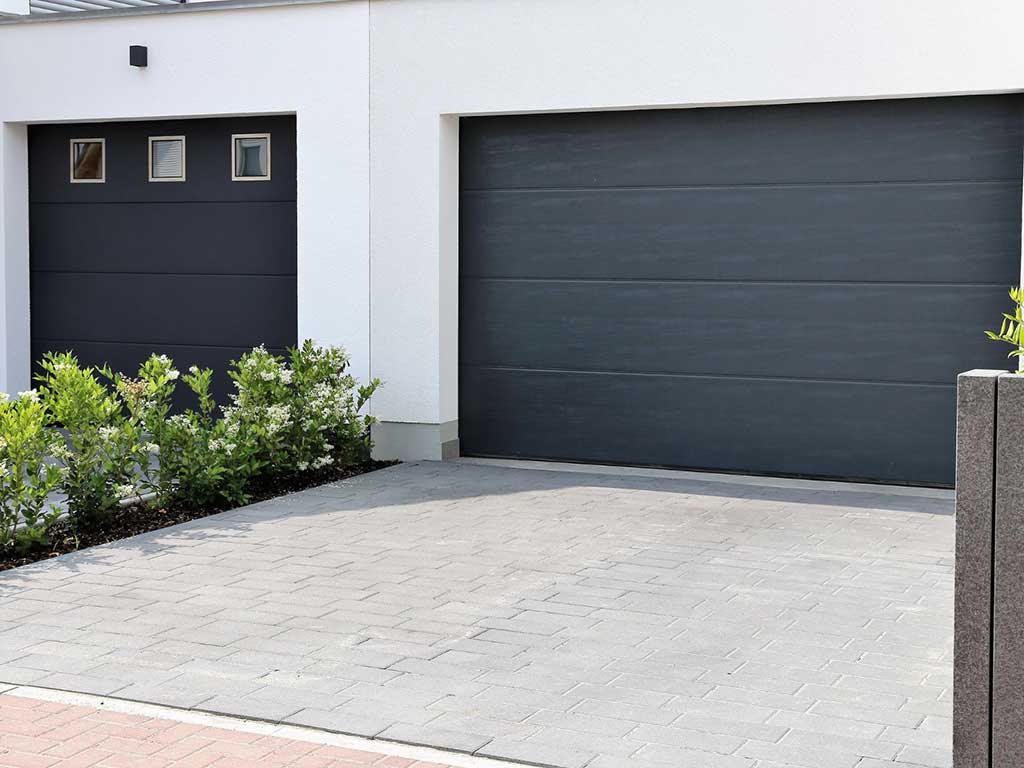
A garage door that won’t budge is frustrating, but it’s not always a major repair.
We get dozens of calls every week from homeowners with non-working doors. About a third of those calls end with us walking someone through a simple fix over the phone, no service visit needed.
Here’s the same troubleshooting process our technicians use.
First: Check the Obvious
Before diagnosing anything mechanical, rule out these common oversights:
Is the opener plugged in?
Sounds silly, but it happens constantly. Openers can be unplugged by accident, especially in garages that double as workshops. Check the outlet.
Did someone engage the manual release?
Look for a red cord hanging from the opener track. If it’s been pulled, your door is disconnected from the opener and won’t respond to remotes. Push the door up by hand until you hear it click back onto the trolley.
Are the remotes working?
Try multiple remotes. If one works and another doesn’t, you have a dead battery, not a door problem. If none work, try the wall button inside the garage. If the wall button works, your remotes need new batteries or reprogramming.
Is there a power outage?
Check if other outlets in the garage work. If you’ve lost power, your opener won’t function until power returns. In the meantime, you can operate the door manually using the red release cord.
If the Door Still Won’t Open
Once you’ve ruled out the simple stuff, the issue is mechanical or electrical. Here’s how to narrow it down.
Try Opening Manually
Pull the red emergency release cord to disconnect the door from the opener. Then try lifting the door by hand from the bottom.
If the door lifts easily: Your opener or its connection to the door has failed, but the door itself is fine. This could be a broken trolley, stripped gear, or motor issue.
If the door feels extremely heavy or won’t budge: You likely have a broken spring. Do not try to force it. A door without functioning springs weighs 150-400 pounds and can cause serious injury.
If the door starts to lift but gets stuck: Check for obstructions in the tracks or a broken cable that’s jammed in the drum.
Listen to the Opener
When you press your remote or wall button, what happens?
Nothing at all (no sound, no light): The opener isn’t receiving power. Check the outlet, circuit breaker, and power cord.
You hear clicking but nothing moves: The motor is trying to engage but can’t. This usually means stripped gears inside the opener.
Motor runs but the door doesn’t move: The trolley or chain/belt has disconnected or broken. Look at the rail running from the opener to the door.
Motor runs, door starts moving, then reverses: The safety sensors may be blocked or misaligned. Also could be the opener’s force settings, but that’s less common.
Check the Safety Sensors
Every opener made since 1993 has two small sensors at the bottom of the door frame, one on each side. They create an invisible beam that stops the door if something breaks it.
Look for the LED lights on each sensor:
- Both lights solid: Sensors are aligned and working
- One or both blinking: Sensors are misaligned or blocked
- No lights: Sensor has lost power or is damaged
Quick sensor fix: Clean both lenses with a dry cloth. Check that nothing is blocking the beam (even cobwebs can cause problems). Make sure both sensors are pointed directly at each other. You can usually adjust them by loosening the wing nut, repositioning, and retightening.
Look at the Springs
Stand inside the garage and look at the spring system above the door.
Torsion spring (horizontal bar above the door): Look for a visible gap in the coils. A broken torsion spring will have a 1-3 inch gap where the break occurred.
Extension springs (along the sides): Check if one is stretched out, hanging loose, or snapped into pieces.
A broken spring is not a DIY repair. These components are under extreme tension and cause injuries every year.
What Each Symptom Typically Means
| Symptom | Likely Cause |
|---|---|
| Door heavy to lift, opener strains | Broken spring |
| Door opens partway then stops | Obstruction, broken cable, or spring issue |
| Opener runs but door doesn’t move | Broken trolley or stripped gears |
| Remote doesn’t work, wall button does | Dead remote battery |
| Door reverses immediately after touching floor | Sensor alignment or close-limit adjustment |
| Grinding noise during operation | Worn rollers, dry bearings, or damaged gears |
| Door crooked or jammed | Off track, broken cable, or roller failure |
When to Call a Professional
Call us if:
- You found a broken spring (safety issue – don’t attempt DIY)
- The door is off its tracks (requires proper tools and technique)
- You hear grinding or snapping noises (prevents further damage)
- Troubleshooting steps didn’t identify the problem
- You’re not comfortable working with the door mechanism
There’s no shame in calling for help. Garage doors involve heavy components under tension. Most homeowners are better off letting a professional handle the actual repair while they handle the diagnosis.
Prevent Future Problems
Once your door is working again, a few habits keep it reliable:
- Lubricate moving parts twice a year – Use silicone spray on rollers, hinges, and springs
- Test the balance annually – Disconnect the opener and lift the door halfway. It should stay put. If it falls or rises, the springs need adjustment.
- Keep sensors clean – Wipe the lenses every few months
- Listen for changes – New squeaks, grinding, or hesitation are early warnings
Need Help?
If you’ve worked through this guide and still have a door that won’t cooperate, give us a call. We offer free phone consultations and can usually narrow down the problem from your description.
And if you need us on-site, our $29 service call fee is waived with any repair. We’ll get your door moving again.