
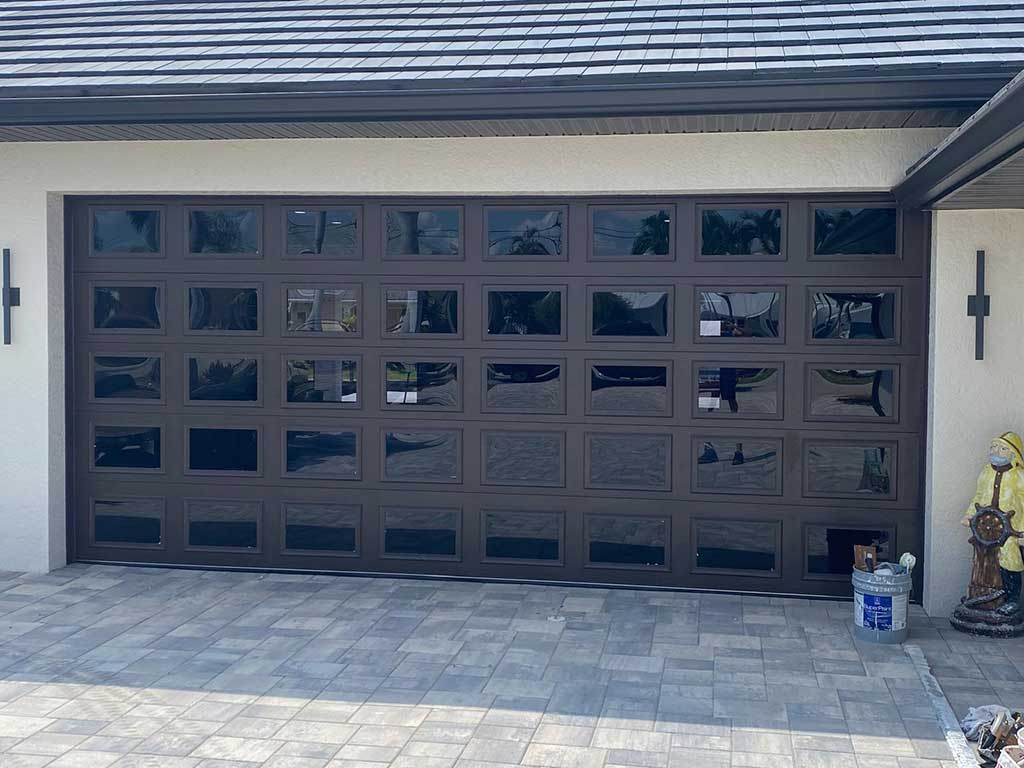
Your garage door is the largest moving part of your home. It also gets used more than almost any other mechanical system.
The average household opens and closes their garage door 1,500 times per year. That’s a lot of wear on springs, rollers, cables, and openers. But here’s what most homeowners don’t realize: 15 minutes of maintenance twice a year prevents most of the repairs we see.
Here are the seven habits that keep garage doors running smoothly for decades.
1. Lubricate Moving Parts Twice a Year
This single habit prevents more problems than everything else combined.
What to lubricate:
- Springs – Both torsion (above door) and extension (along sides)
- Hinges – The pivot points between each panel
- Rollers – If they’re metal. Plastic/nylon rollers don’t need lubrication
- Bearing plates – The circular plates at each end of the torsion spring shaft
- Lock mechanism – The handle and internal latch on the door
What to use:
Silicone-based lubricant or white lithium grease. Both are available at any hardware store. Avoid WD-40 for this purpose. It’s great for loosening stuck parts but doesn’t provide lasting lubrication and can actually attract dust and dirt.
What not to lubricate:
- Tracks – Contrary to popular belief, tracks should stay dry. Lubricant on tracks attracts dirt and creates gummy buildup that impedes roller movement. Clean tracks with a rag; don’t oil them.
How to do it:
A quick spray or wipe on each component takes about 5 minutes. Do it in spring and fall, and your door will thank you with quieter, smoother operation.
2. Test the Balance Annually
An unbalanced door stresses your opener, accelerates spring wear, and can fail unexpectedly.
Here’s the test:
- Close the door completely
- Pull the red emergency release cord to disconnect the opener
- Lift the door manually to about waist height (halfway)
- Let go
What should happen:
The door should stay in place, maybe drifting an inch or two. This means the springs are properly counterbalancing the door’s weight.
What indicates a problem:
- Door falls back down = Springs are weak or losing tension
- Door rises up = Springs have too much tension
- Door feels very heavy to lift = Spring may be broken or severely worn
If your door fails this test, call for service. Spring adjustment involves dangerous tension that requires professional tools and training.
3. Inspect and Tighten Hardware
Vibration loosens things over time. A few minutes with a socket wrench prevents parts from failing.
Check these quarterly:
- Roller brackets – The hinges that hold rollers to the door
- Track brackets – Hardware that mounts tracks to the wall
- Opener bracket – Where the opener arm connects to the door
- Fasteners on tracks – Bolts securing track sections together
What to look for:
Give each bolt a test turn. If it moves more than a quarter turn, it was working loose. Snug it up, but don’t overtighten and strip the threads.
Also visually inspect for any bent or damaged hardware. A small bend today becomes a major problem later.
4. Check Cables and Springs Visually
You don’t need to touch these components to inspect them. A visual check catches problems early.
What to look for on springs:
- Rust or corrosion (especially in humid climates)
- Gaps in the coils (indicates stretching or breaking)
- Uneven spacing between coils
- Any visible damage or deformation
What to look for on cables:
- Fraying (the cable looks “fuzzy” with individual strands poking out)
- Kinks or bends
- Visible rust
- Slack in the cable when the door is closed
Frequency: Every few months, or whenever you’re in the garage and remember. Takes 30 seconds.
Important: Never touch springs or cables while the door is closed or under tension. Visual inspection only.
5. Test Safety Features Monthly
Modern garage doors have two key safety features that should be tested regularly.
Auto-Reverse Test
This tests whether the door stops and reverses when it hits an obstruction.
- Open the door
- Place a 2×4 board flat on the ground in the door’s path
- Close the door using your remote
- When the door touches the board, it should immediately reverse
If it doesn’t reverse, or if it reverses after applying significant pressure, the opener’s force settings need adjustment. Most openers have adjustment screws. Check your manual or call for service.
Photo-Eye Test
This tests the safety sensors at the bottom of the door opening.
- Open the door
- Start closing it with your remote
- Wave a broom handle (or your foot, carefully) through the sensor beam near the floor
- The door should immediately stop and reverse
If the door doesn’t stop, check that sensors are clean and aligned (indicator lights should be solid, not blinking). If alignment doesn’t fix it, the sensors may need replacement.
6. Keep Tracks Clean
Dirty tracks cause rollers to stick, wear unevenly, and work harder than necessary.
How to clean:
- Wipe inside of tracks with a damp rag to remove dust and debris
- Check for and remove any small objects (leaves, bugs, pebbles)
- Use a level to confirm tracks are plumb (truly vertical)
- Look for bends, dents, or damage in the track surface
What you might find:
- Built-up grime (especially in lower sections)
- Cobwebs (more than cosmetic – they can interfere with sensors)
- Small obstructions that cause clicking or sticking
Remember: Don’t lubricate tracks. Dry tracks are good tracks.
7. Replace Weatherstripping When Worn
The rubber seal at the bottom of your door and the weatherstripping around the frame do more than keep weather out. They also:
- Keep pests from entering
- Reduce energy loss from your garage
- Minimize noise during operation
- Protect the bottom of the door from damage
Signs weatherstripping needs replacement:
- Visible cracks, tears, or pieces missing
- Light visible under closed door
- Water entering garage during rain
- Increased dust and debris inside
- Rubber that’s hard and brittle instead of flexible
Replacement is easy:
Bottom seals typically slide into a channel on the door’s bottom panel. Side and top weatherstripping attaches with adhesive or nails. Both are inexpensive and available at hardware stores. If you’re not handy, we install weatherstripping during any service visit.
Creating a Maintenance Schedule
Here’s a simple annual calendar:
Every Month
- Visual check of springs and cables
- Test auto-reverse and photo-eye sensors
Twice a Year (Spring and Fall)
- Lubricate all moving parts
- Inspect and tighten hardware
- Clean tracks
Once a Year
- Test door balance
- Check weatherstripping condition
- Professional inspection (if desired)
Most homeowners can handle everything on this list except spring adjustment and major hardware repairs. When something’s beyond your comfort zone, that’s what we’re here for.
When to Call a Professional
DIY maintenance is great for prevention, but some tasks require professional service:
- Spring replacement or adjustment – Dangerous under tension
- Cable replacement – Requires proper tools and technique
- Track realignment – Easy to make worse if done incorrectly
- Opener motor issues – Electrical components need expertise
- Anything you’re unsure about – No shame in asking for help
We offer seasonal maintenance packages that cover professional inspection and tune-up. But honestly, if you follow the steps above, you might only need us when something actually breaks.
The Bottom Line
Most garage door repairs we see could have been prevented by basic maintenance. Squeaky rollers that weren’t lubricated. Loose hardware that eventually failed. Springs that gave warning signs for months before snapping.
Fifteen minutes twice a year keeps your door running smoothly, extends component lifespan, and catches small problems before they become big ones.
Your future self (and your wallet) will thank you.